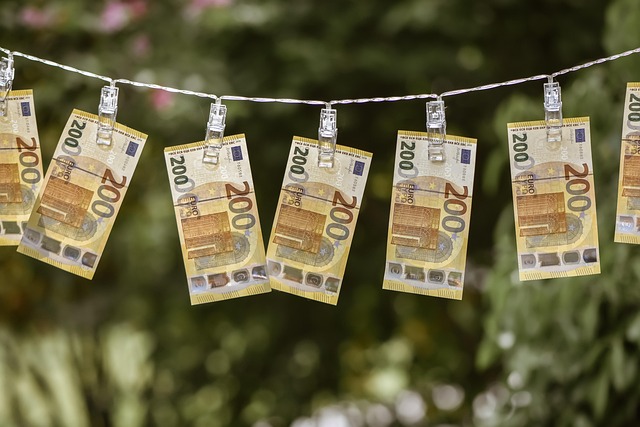
How Money Laundering Funds Human Trafficking and Terrorism
Money laundering is a tool used by organized criminals and terrorist groups to conceal financial activity. While crimes such as human trafficking and terrorism

Money laundering is a tool used by organized criminals and terrorist groups to conceal financial activity. While crimes such as human trafficking and terrorism

Anti-Money Laundering (AML) compliance has become an expensive and complex function in global finance. Banks, fintechs, and crypto platforms devote substantial resources to detecting and

Crowdfunding platforms are built for speed, scale, and accessibility. Founders want frictionless onboarding, creators want fast payouts, and backers expect seamless participation. But as platforms

Anti-Money Laundering (AML) compliance plays a critical and multifaceted role in correspondent banking, acting as the primary safeguard against the misuse of cross-border payment channels

In boardrooms across global finance, a quiet divide is emerging. Some institutions see Anti-Money Laundering (AML) compliance as a regulatory burden—necessary, expensive, and reactive.

In today’s financial landscape, businesses operate in an environment where money moves fast, and so do financial crimes. From fintech startups and crypto platforms to

Microfinance institutions (MFIs) play a central role in advancing financial inclusion, particularly in developing and emerging economies. They extend essential financial services—such as microloans, savings

Financial innovation is accelerating at a pace unlike anything previously seen in the financial sector. From instant payments and AI-driven tools to tokenized assets and

Money laundering threats are becoming increasingly complex as criminals exploit new technologies, digital payment systems, cryptocurrencies, and global financial networks to hide illicit funds. For

Anti-Money Laundering (AML) compliance has evolved from a back-office function into one of the largest operational cost centers in finance. Financial institutions globally spend over